Clean Water & Sanitation: Building Healthier Communities
The Challenge: Nigeria’s Water Crisis
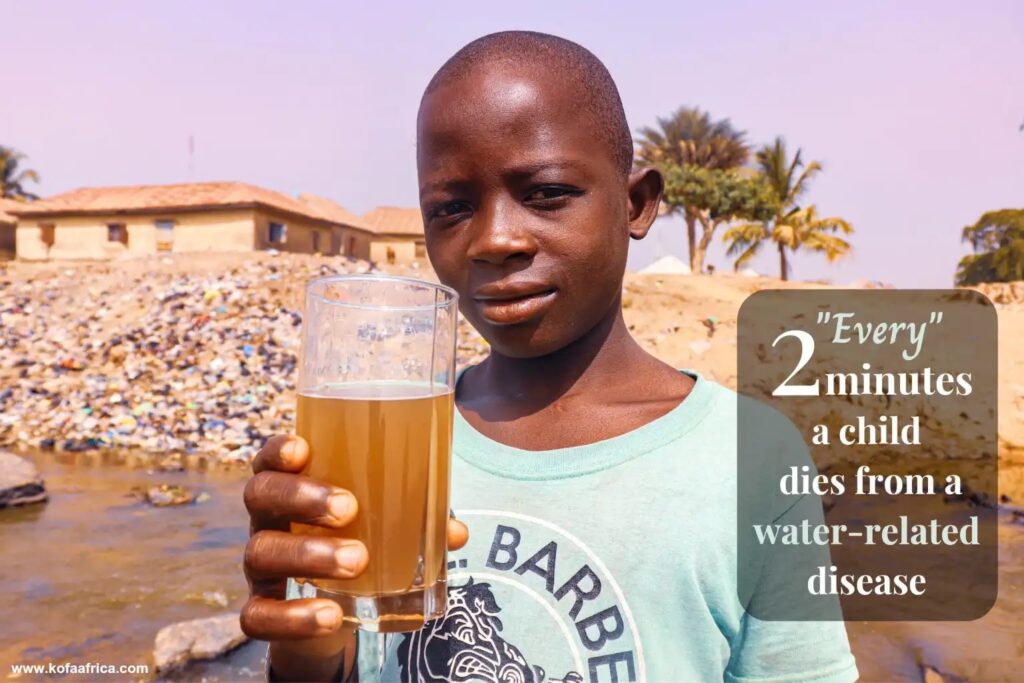
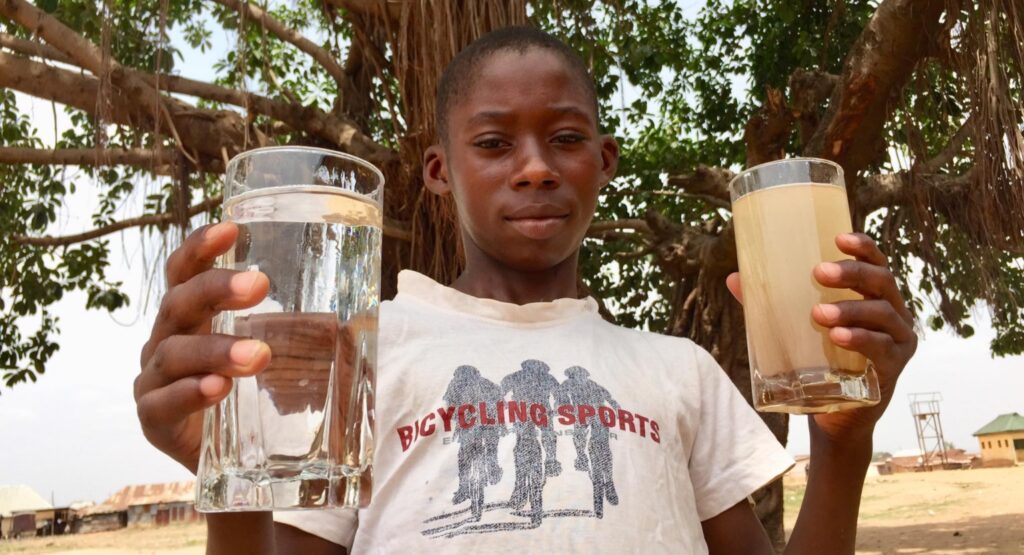
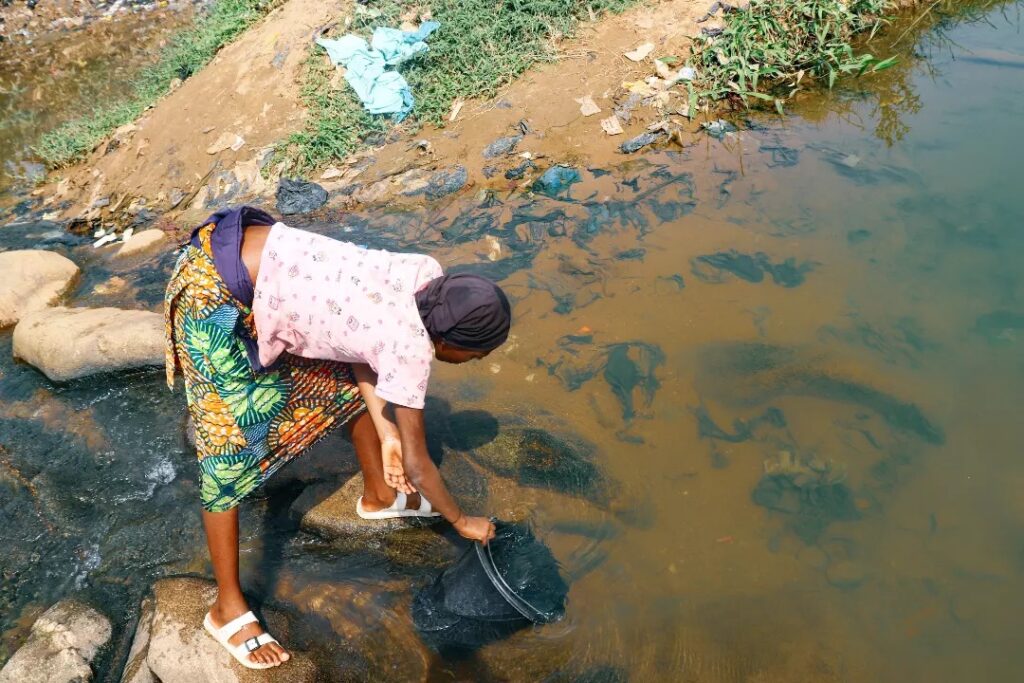
Access to safe drinking water is a fundamental human need, yet millions remain cut off from this basic right. According to the National Bureau of Statistics (NBS), 56 million Nigerians (28% of the population) rely on unsafe water sources.
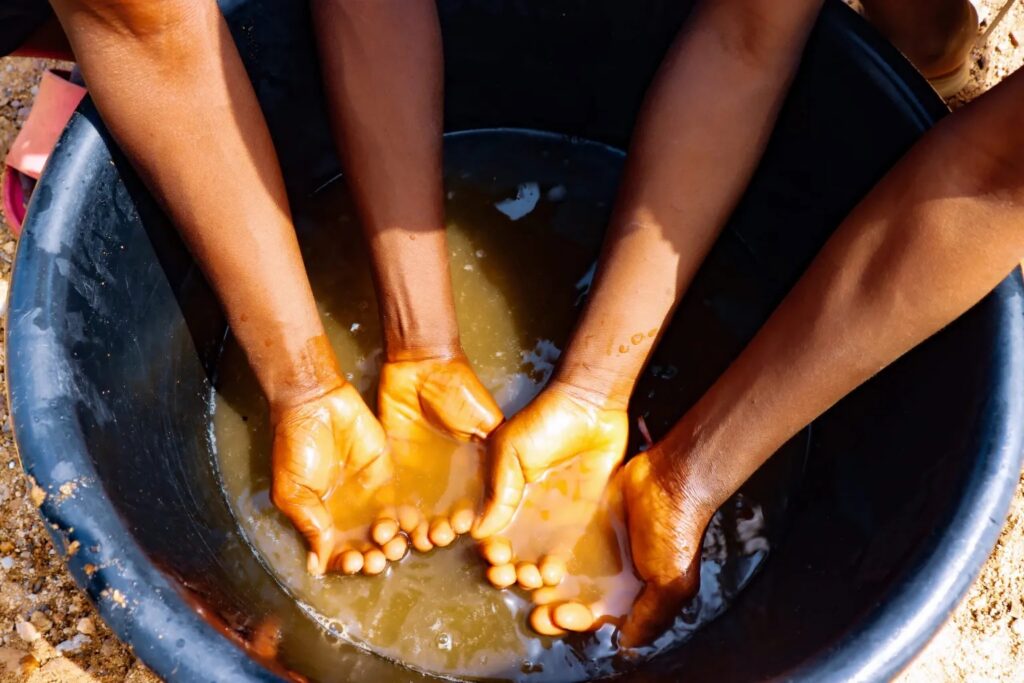
This crisis hits rural communities hardest, where over 80% of those without safe drinking water and 70% of those lacking adequate sanitation reside.
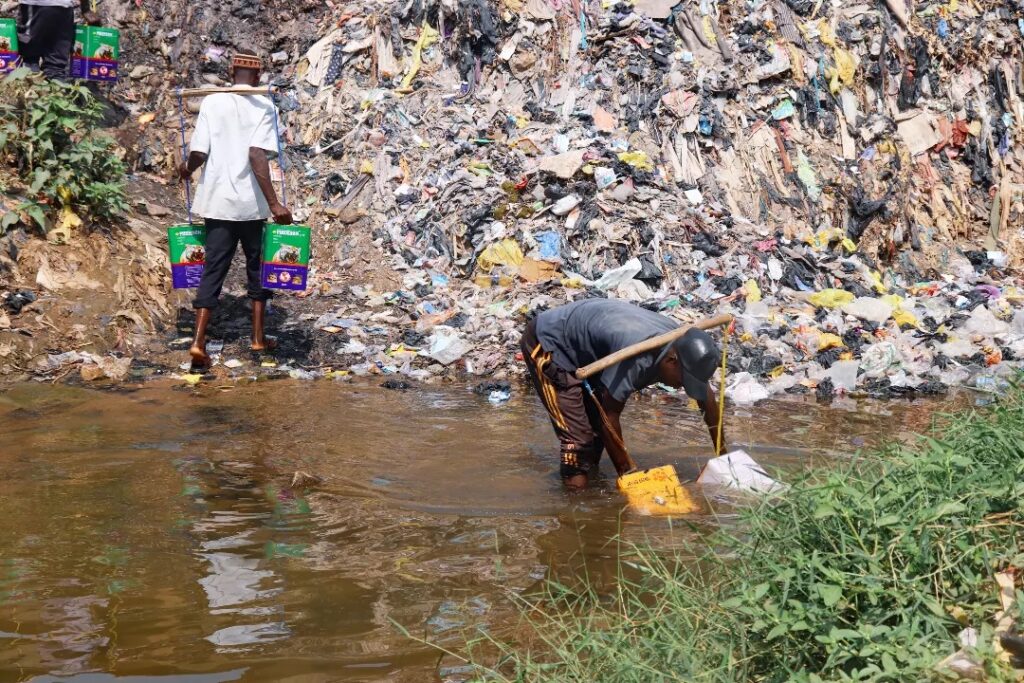
The consequences are severe. Waterborne diseases including cholera, diarrhea, typhoid, and polio pose constant threats to public health. The World Health Organization (WHO) estimates that 525,000 children under five die each year from diarrheal diseases, largely due to contaminated water and poor sanitation.
Our Solution: Sustainable Water for All
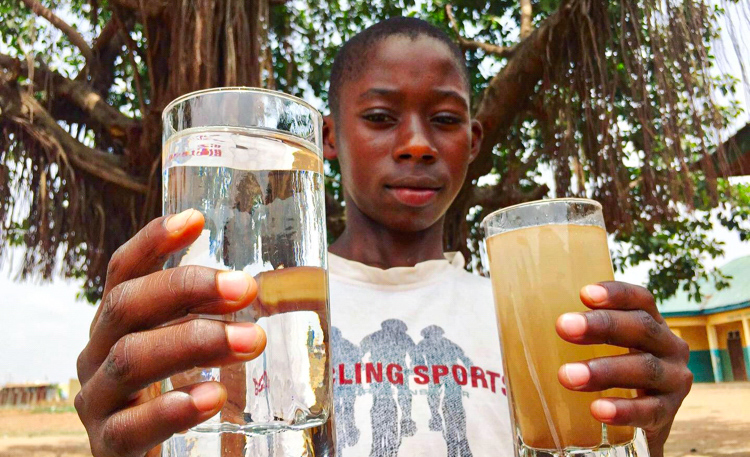
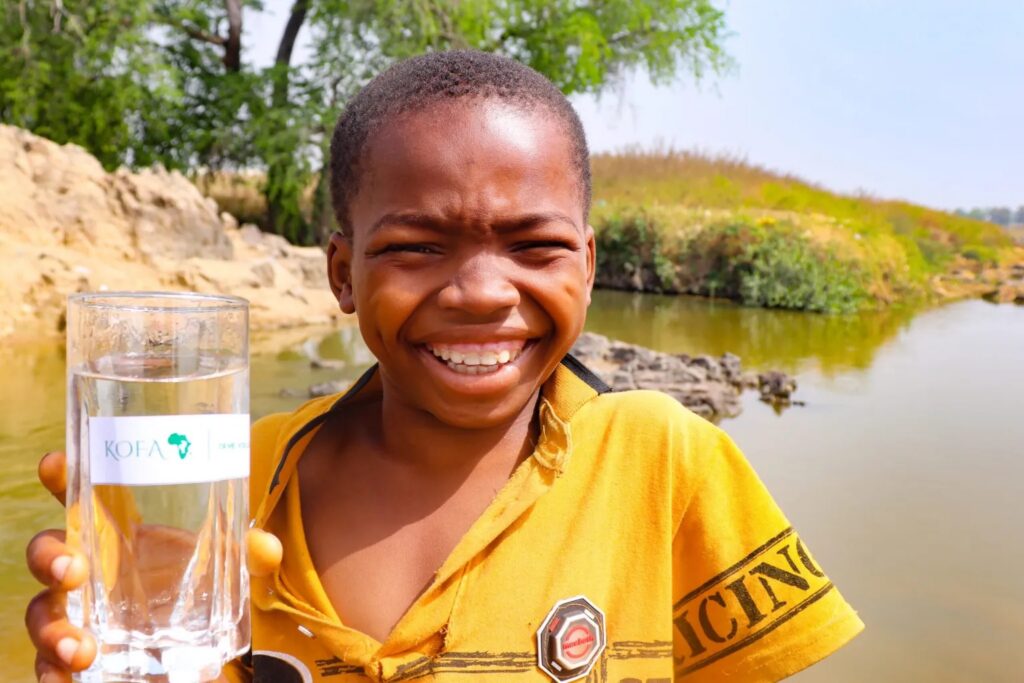
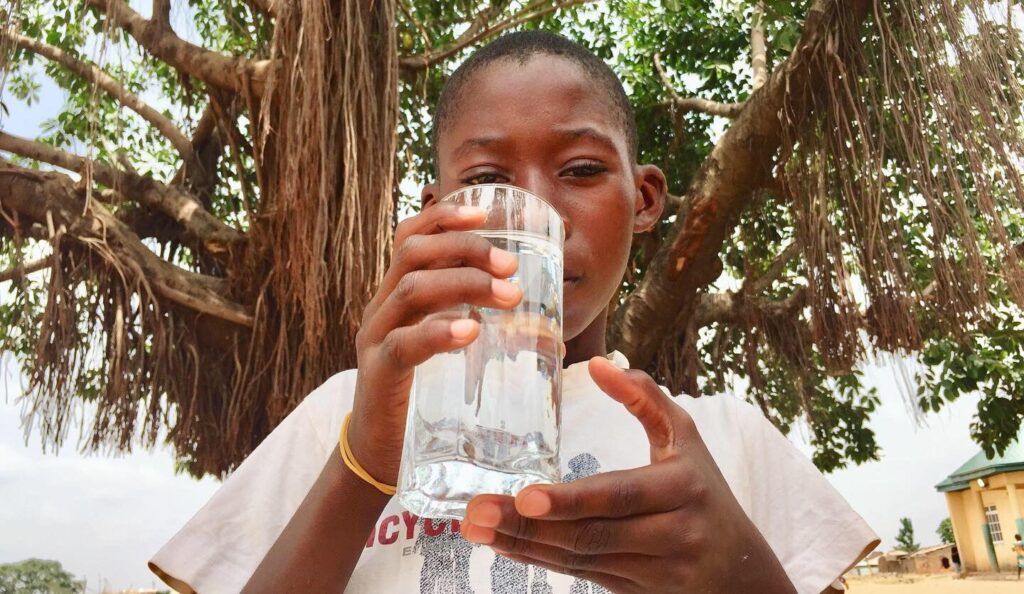
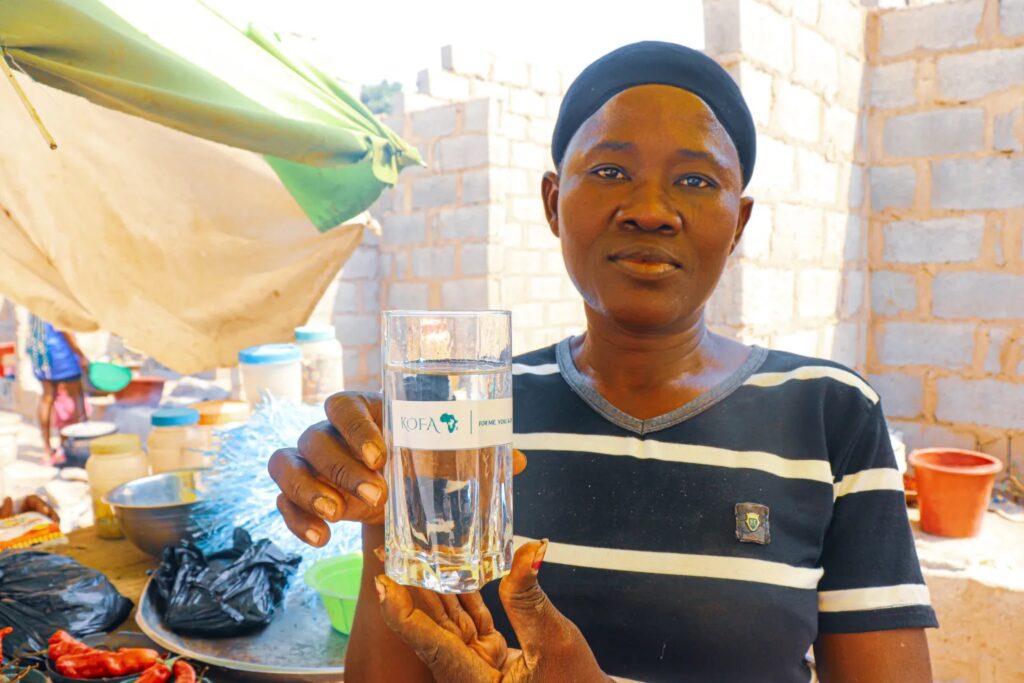
At KOFA Africa, we believe clean water does more than prevent disease—it serves as a catalyst for economic growth, school attendance, and community resilience. We partner with local water-solution specialists to deliver lasting, community-owned impact:
- Expanding Infrastructure Access: Implementing targeted projects to install and restore reliable sources of clean drinking water in remote communities.
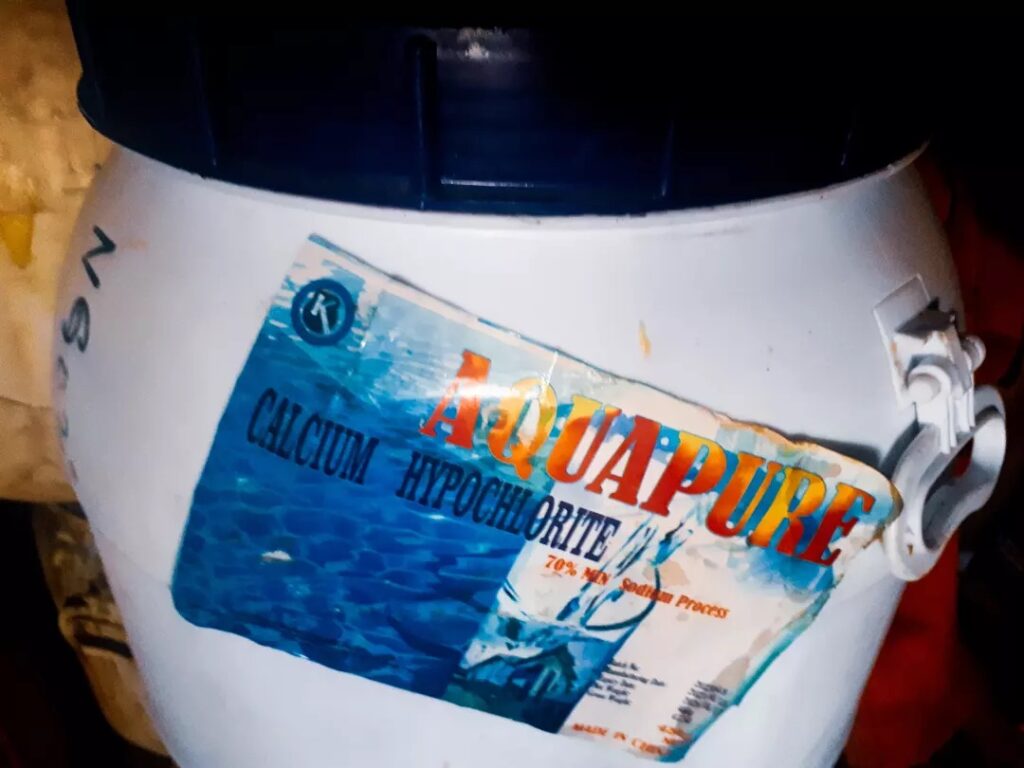
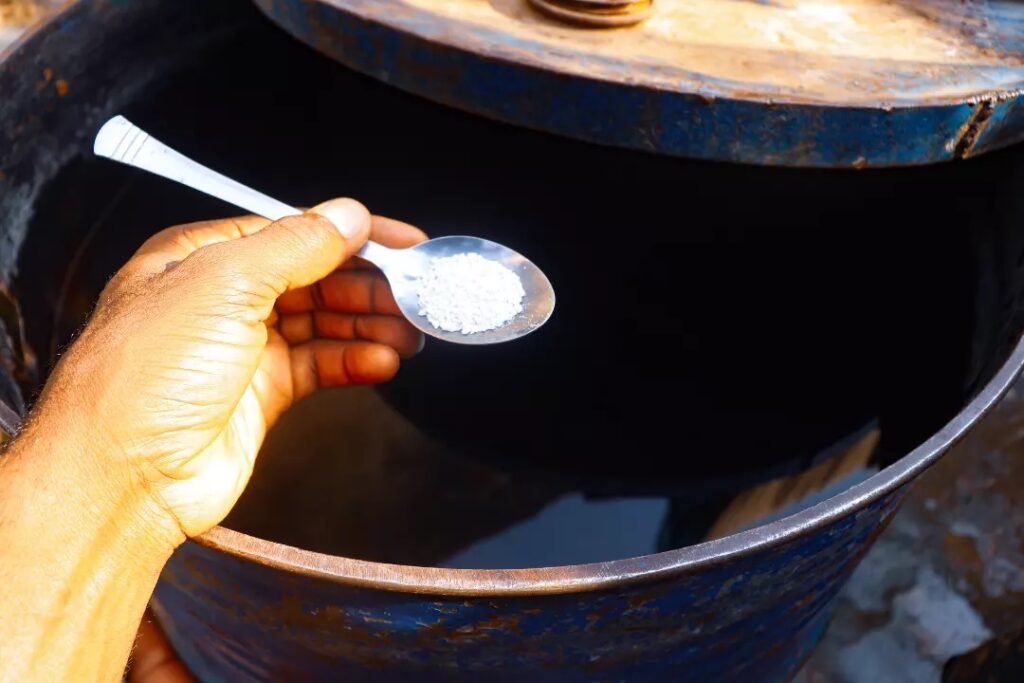
- Community Education & Hygiene: Training families on accessible water purification techniques—such as chlorine-based disinfection alongside essential hygiene and sanitation practices.
- Empowerment & Local Ownership: Equipping local residents with the skills and knowledge needed to manage, maintain, and protect their water resources for the long term.
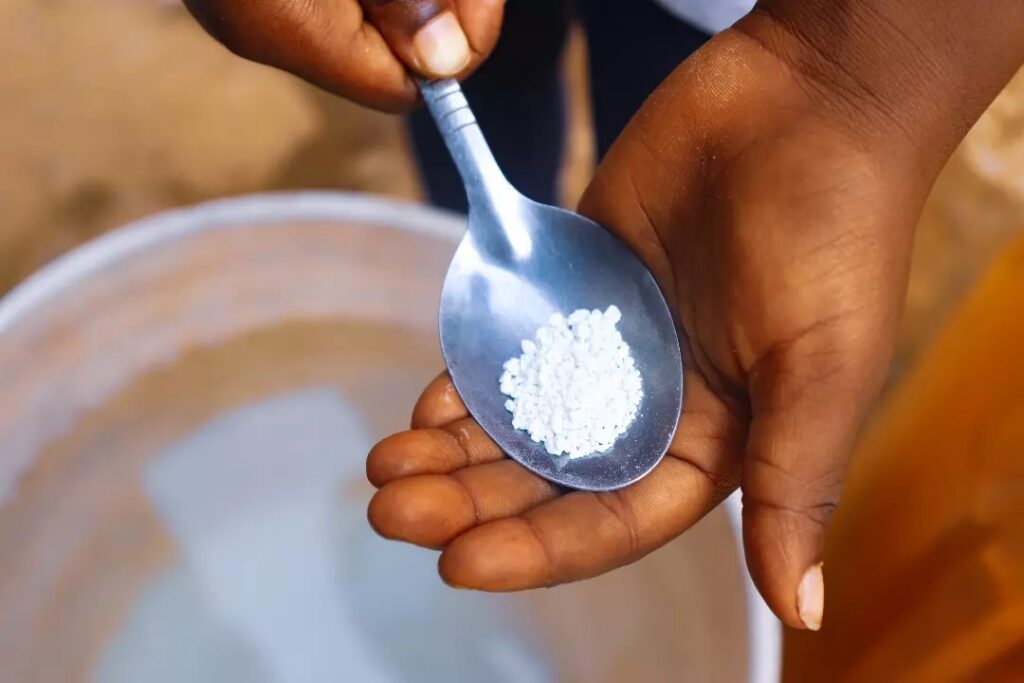
Our Vision: By pairing clean water access with practical health education, KOFA Africa is laying a foundation for healthier families, stronger local economies, and sustainable community growth.
Sustainable Development Goals (SDGs) Alignment
- SDG 6: Clean Water & Sanitation (Targets 6.1 & 6.2) Achieving universal, equitable access to safe drinking water, sanitation, and hygiene in rural regions.
- SDG 3: Good Health & Well-Being (Target 3.9) Preventing waterborne diseases and drastically reducing preventable under-five child mortality.
- SDG 17: Partnerships for the Goals (Target 17.17) Collaborating with specialized local organizations to build scalable, long-lasting community water infrastructure.