ENDING MALARIA
Fighting Malaria in Nigeria: Our End Malaria Program
Malaria remains one of the most significant and preventable public health threats in sub-Saharan Africa. Spread through the bites of infected mosquitoes, the disease inflicts a heavy toll on families and communities causing symptoms ranging from fever, severe fatigue, and headaches to life-threatening complications like anemia, seizures, and organ failure.
Globally, malaria claims over 600,000 lives annually, with sub-Saharan Africa carrying nearly 95% of the burden and children under five representing the vast majority of deaths. Nigeria accounts for the highest national share of global malaria cases and deaths, making local, community-rooted intervention an urgent priority.
Our Solution: The End Malaria Program
KOFA’s End Malaria Program is an integrated community health initiative focused on reducing transmission, expanding access to early diagnosis, and eliminating preventable deaths across high-risk regions in Nigeria.
We tackle the malaria crisis head-on through three core strategy pillars:
1. Vector Control & Net Distribution
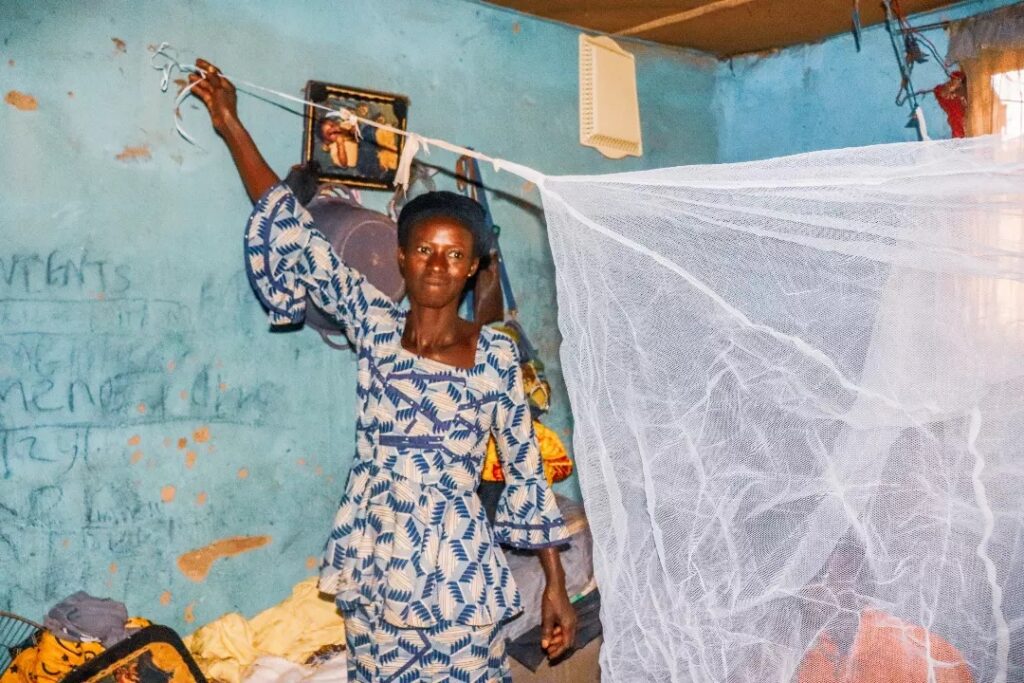
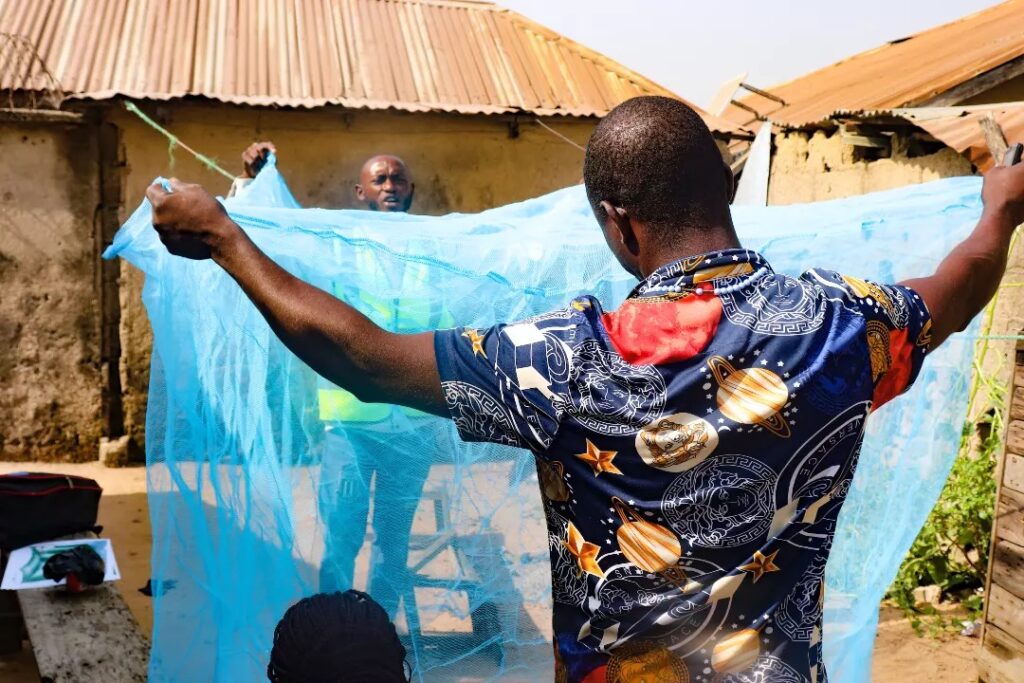
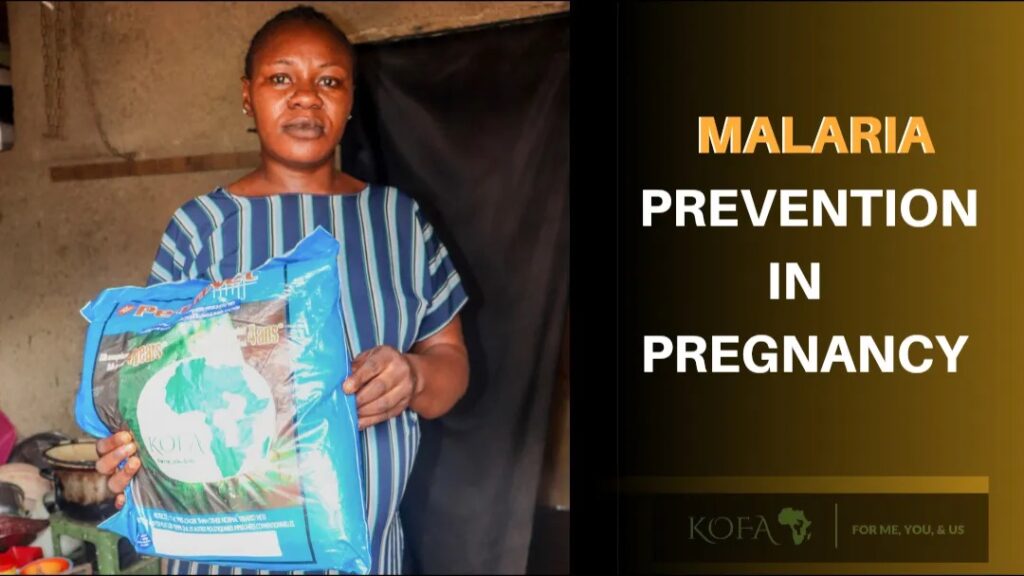
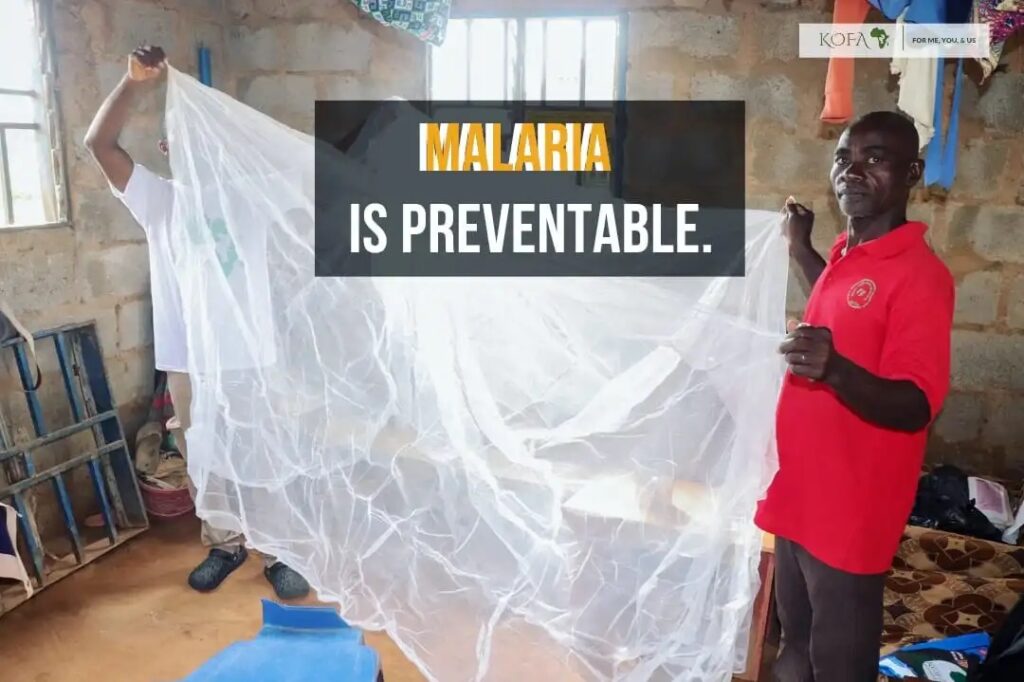
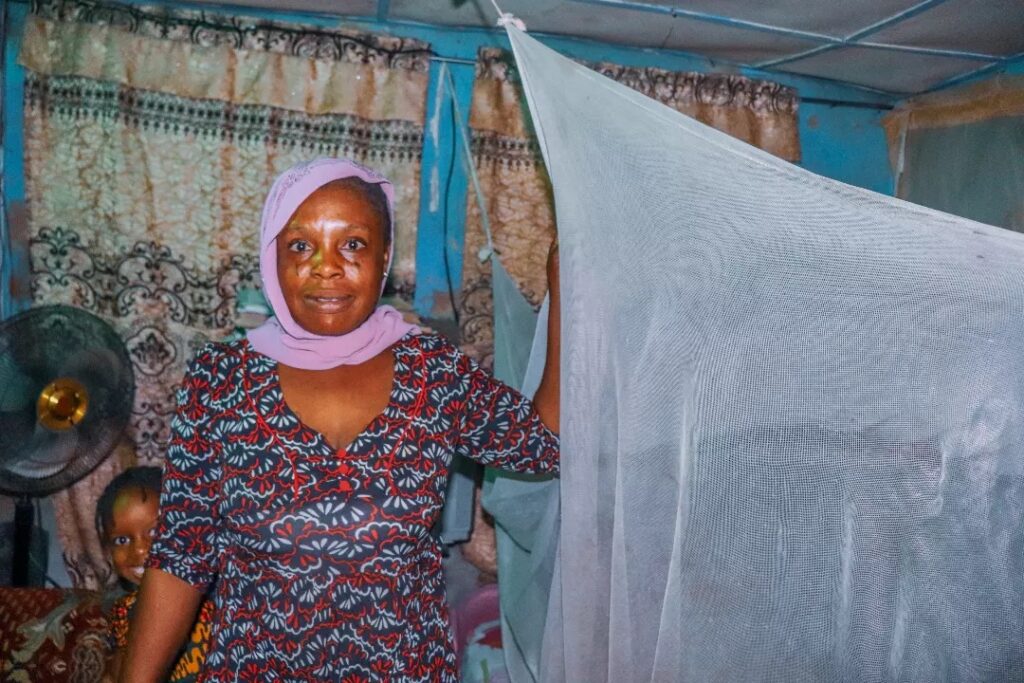
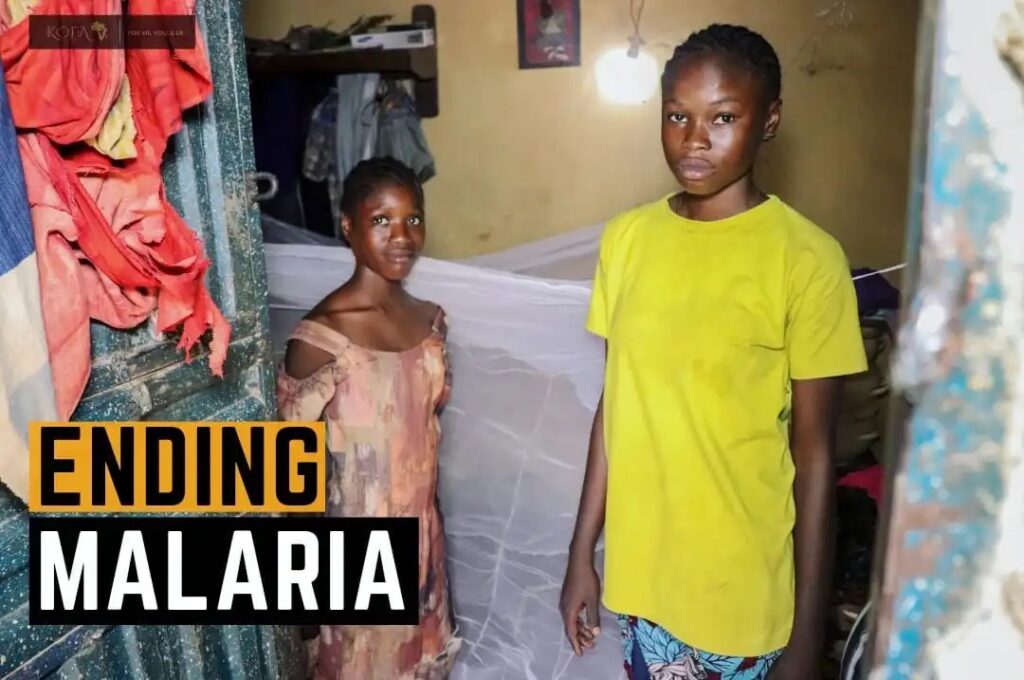
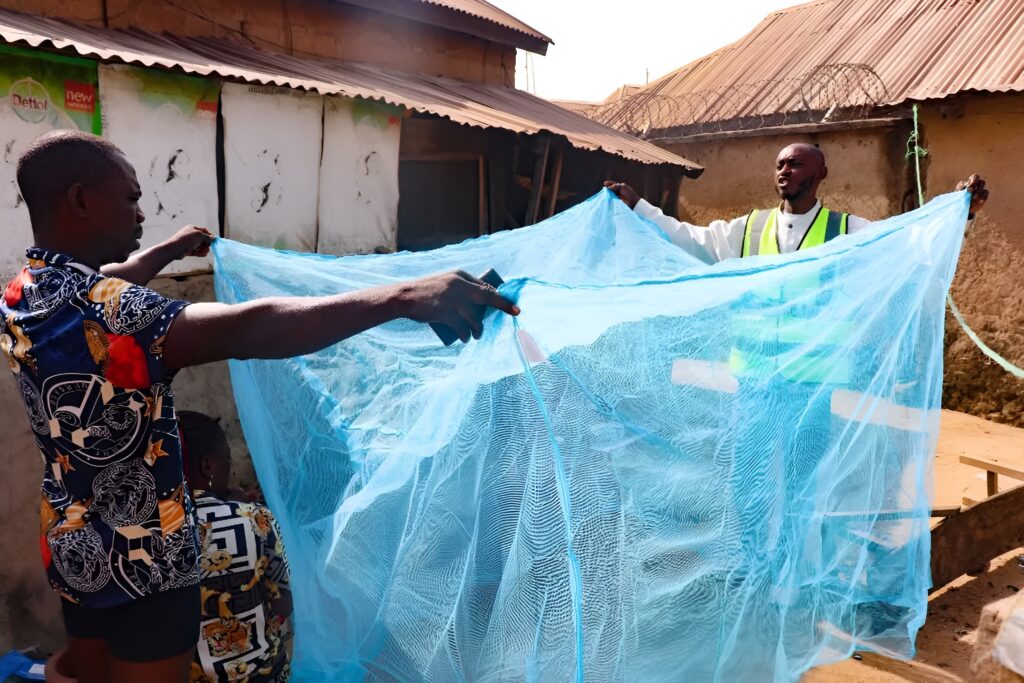
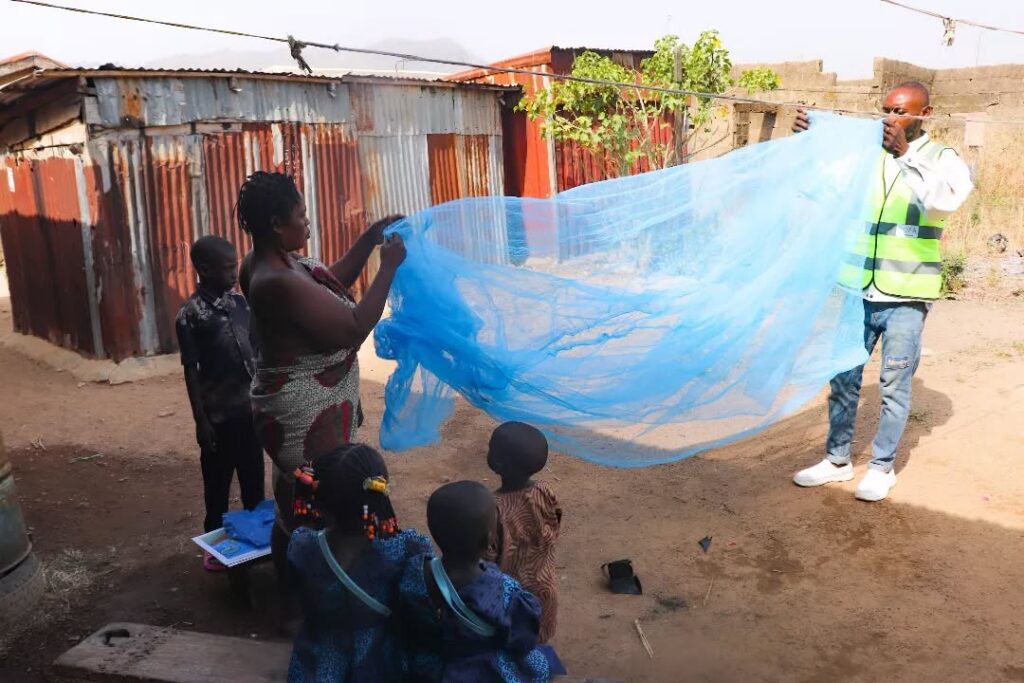
We distribute Long-Lasting Insecticide-Treated Nets (LLINs) directly to vulnerable families, mothers, and displaced populations in IDP camps, ensuring safe sleeping environments during peak mosquito biting hours.
2. Community Education & Behavioral Change
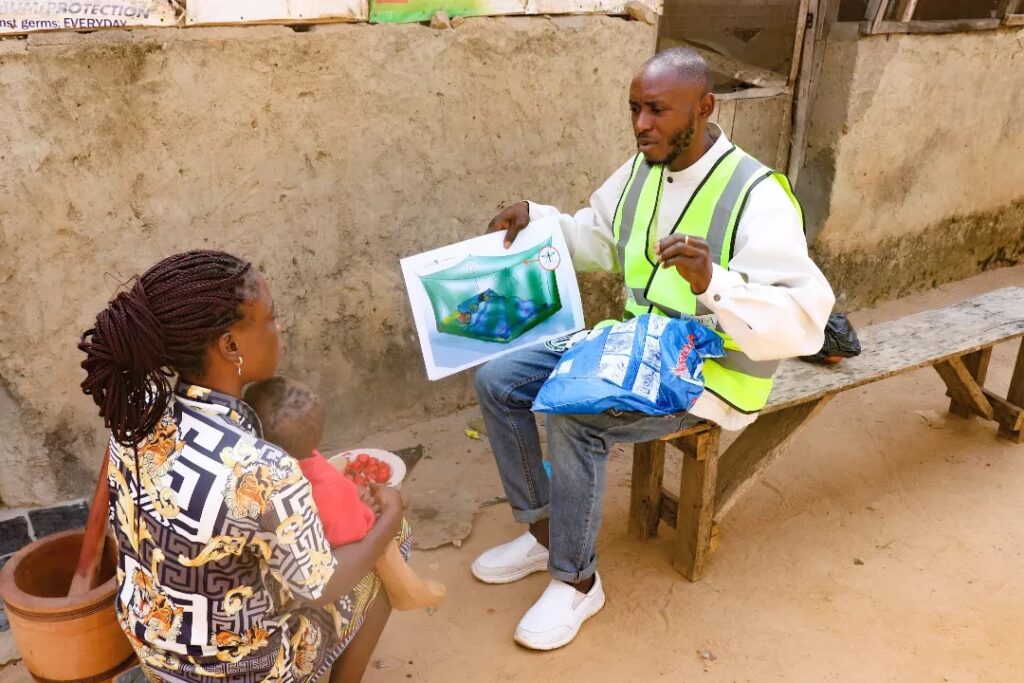
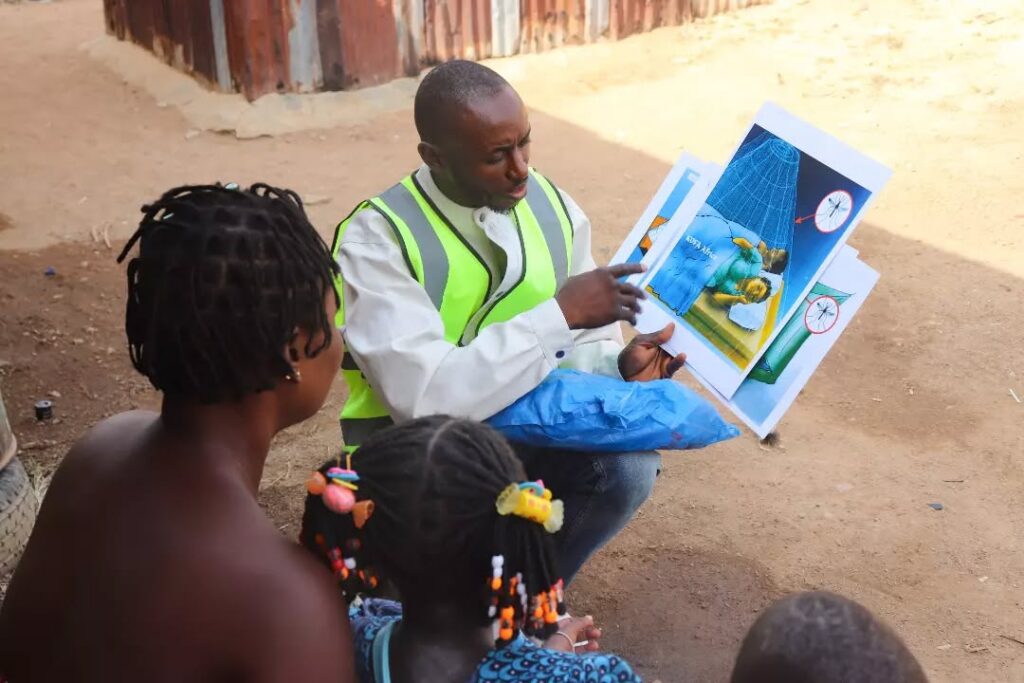
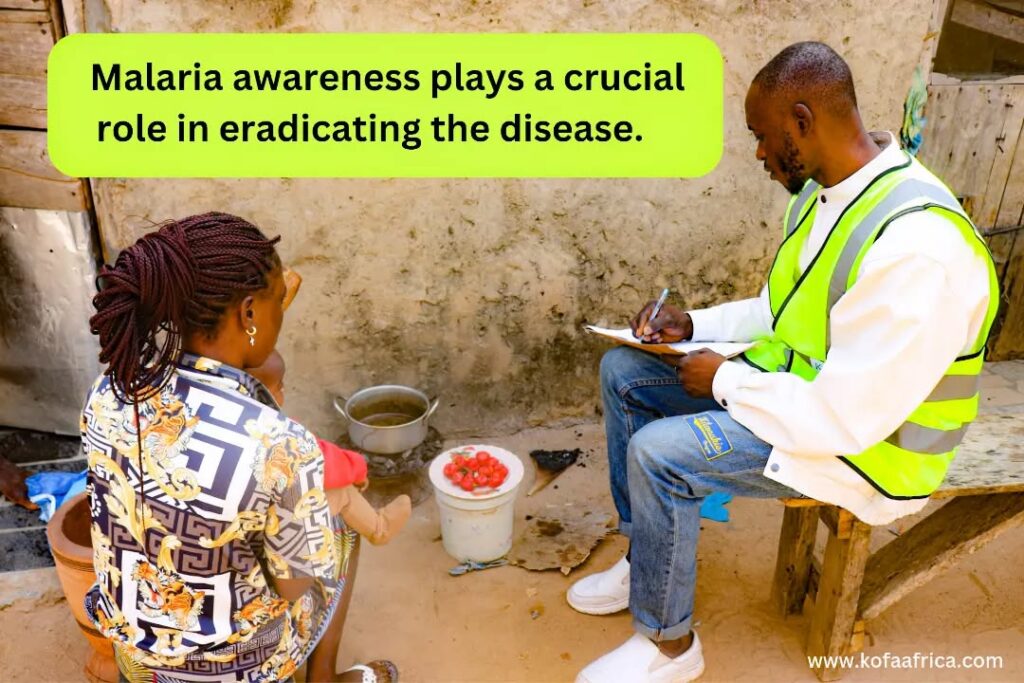
Prevention begins with knowledge. We lead targeted educational drives to train caregivers on proper net installation, maintenance, environmental management (eliminating standing water), and early symptom identification.
3. Rapid Testing & Free Immediate Treatment
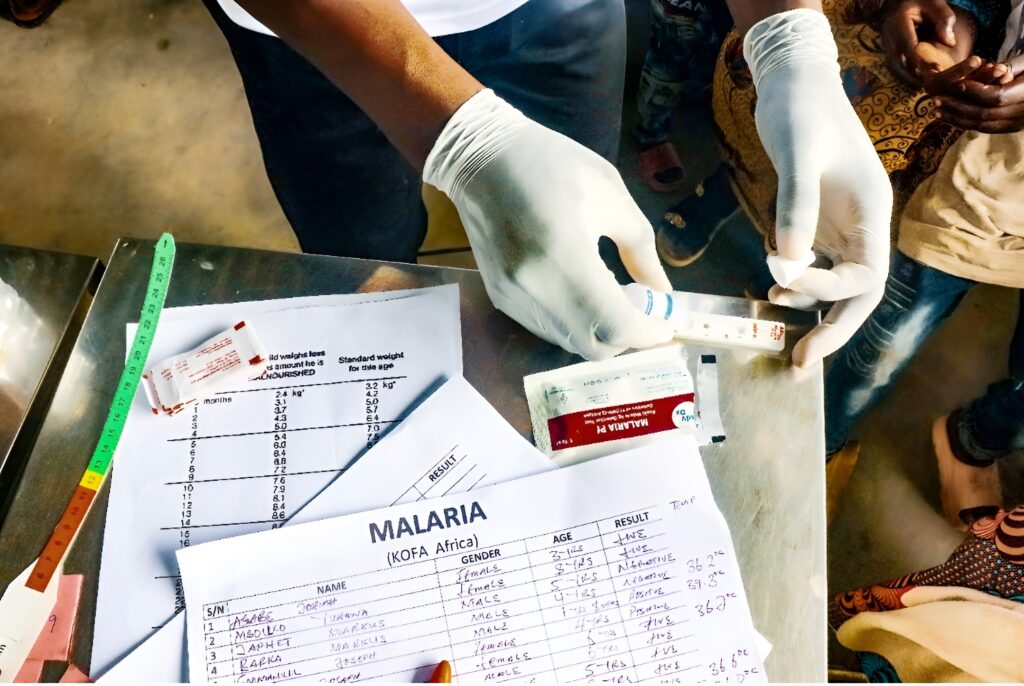
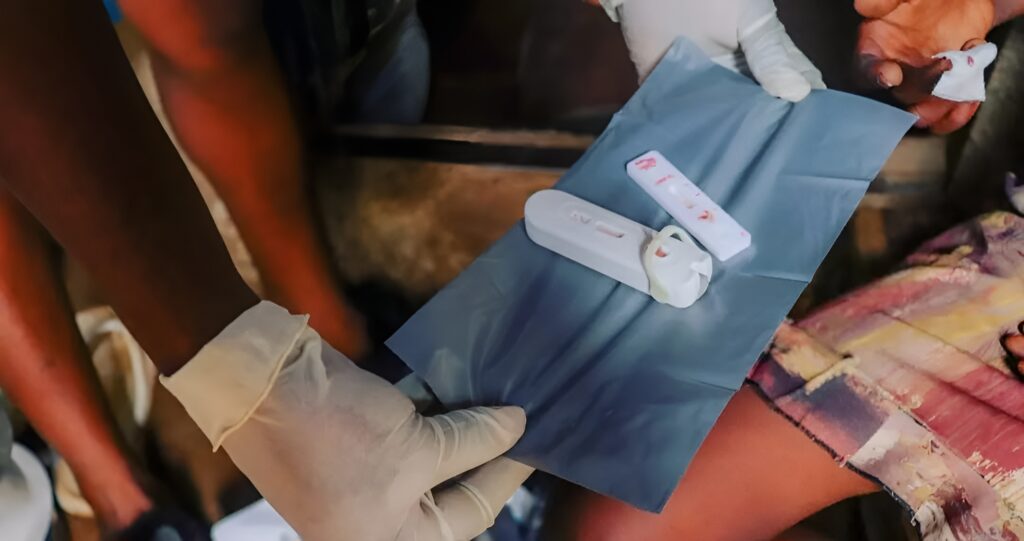
Early diagnosis saves lives. We deploy mobile healthcare units to provide free Rapid Diagnostic Tests (RDTs) and administer immediate, life-saving treatment (Artemisinin-based Combination Therapies) directly within underserved communities.
Driving Sustainable Impact for 2030
By delivering early care and preventative tools directly to last-mile communities, KOFA’s End Malaria Program reduces school absenteeism, relieves strain on local health systems, and protects the lives of mothers and children.
Our interventions directly advance UN Sustainable Development Goal 3.3, which aims to end the epidemics of malaria, tuberculosis, and other communicable diseases by 2030.