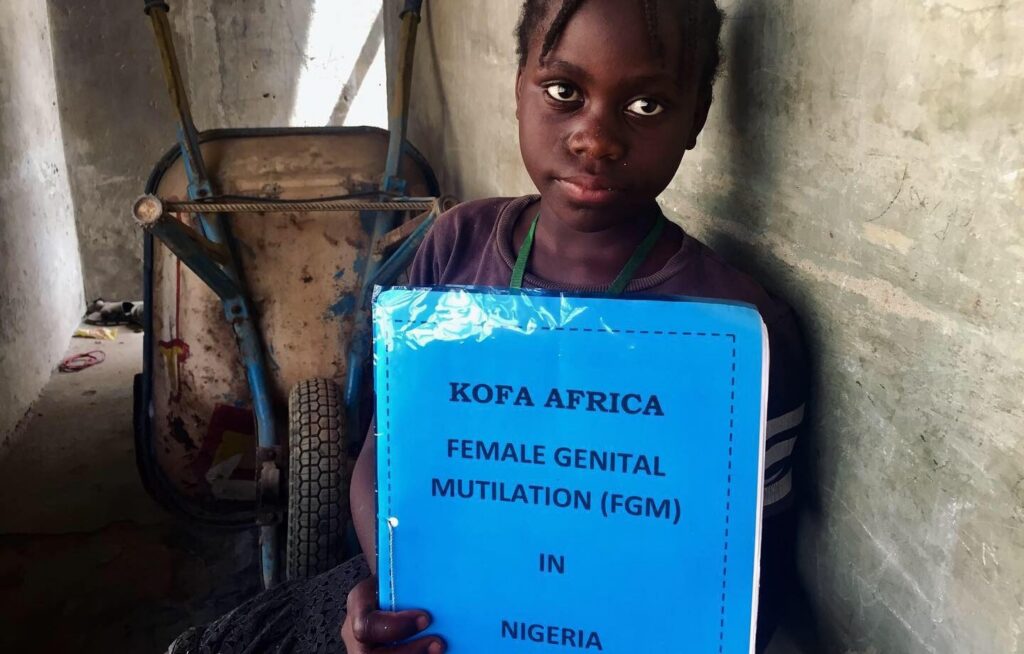
Ending Female Genital Mutilation (FGM): Protecting Rights & Restoring Dignity
The Challenge: A Severe Human Rights Violation
Female Genital Mutilation (FGM) involves the partial or total removal of external female genitalia for non-medical, cultural reasons. Beyond being a grave violation of fundamental human rights, FGM is performed on young girls well below the age of consent leaving them with no voice or choice over their own bodies.
Whether performed by traditional practitioners or medical personnel, FGM carries severe physical and emotional consequences, including severe hemorrhage, chronic infections, reproductive complications, and long-term psychological trauma. While global advocacy has helped reduce its incidence, FGM remains deeply rooted in many regions, demanding urgent, multi-sectoral community action.
Our Solution: Community-Led Advocacy & Survivor Support
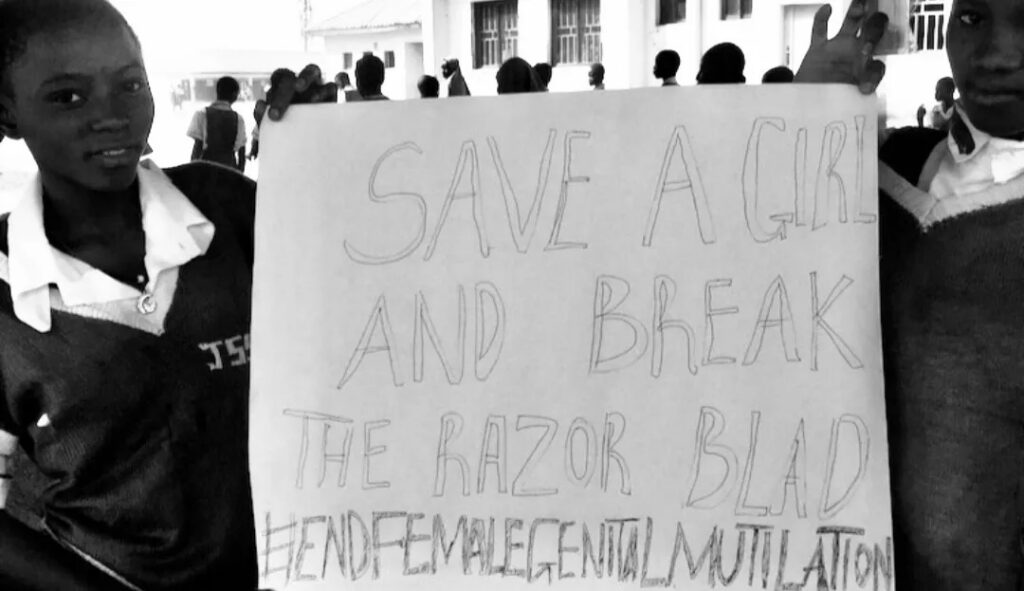
At KOFA Africa, we are actively working to eradicate FGM across Nigeria by driving grassroots education, changing cultural narratives, and supporting survivors:
- Targeted Health Education: Running community outreach to expose the physical and psychological dangers of FGM while celebrating safe, non-harmful cultural traditions.
- Survivor Healthcare & Counseling: Delivering compassionate, specialized mental health counseling and medical guidance for women and girls living with the physical and psychological effects of FGM.
- High-Impact Regional Focus: Directly targeting intervention efforts in the five Nigerian states with the highest recorded prevalence: Ebonyi, Ekiti, Imo, Osun, and Oyo.
- Our Goal: To completely eliminate the practice of FGM in high-prevalence states across Nigeria, working hand-in-hand with local leaders to safeguard the health, rights, and futures of young girls.
Sustainable Development Goals (SDGs) Alignment- SDG 5: Gender Equality (Target 5.3) Eliminating all harmful traditional practices, including child marriage and female genital mutilation, to empower women and girls.
- SDG 3: Good Health & Well-Being (Targets 3.4 & 3.7) Ensuring universal access to sexual and reproductive healthcare while offering mental health support to survivors of trauma.