Fighting Malnutrition: Our Approach to a Healthier Future
The Challenge
Nearly half of the world’s population most critically mothers and young children suffers from undernutrition and micronutrient deficiencies. The consequences are devastating, leading to low birth weight, chronic energy depletion in women, and high rates of preventable childhood illness.
Deficiencies in essential nutrients like iron, vitamin A, zinc, and iodine are among the most common, contributing to 50% of all deaths in children under five worldwide.
Our Strategic Approach
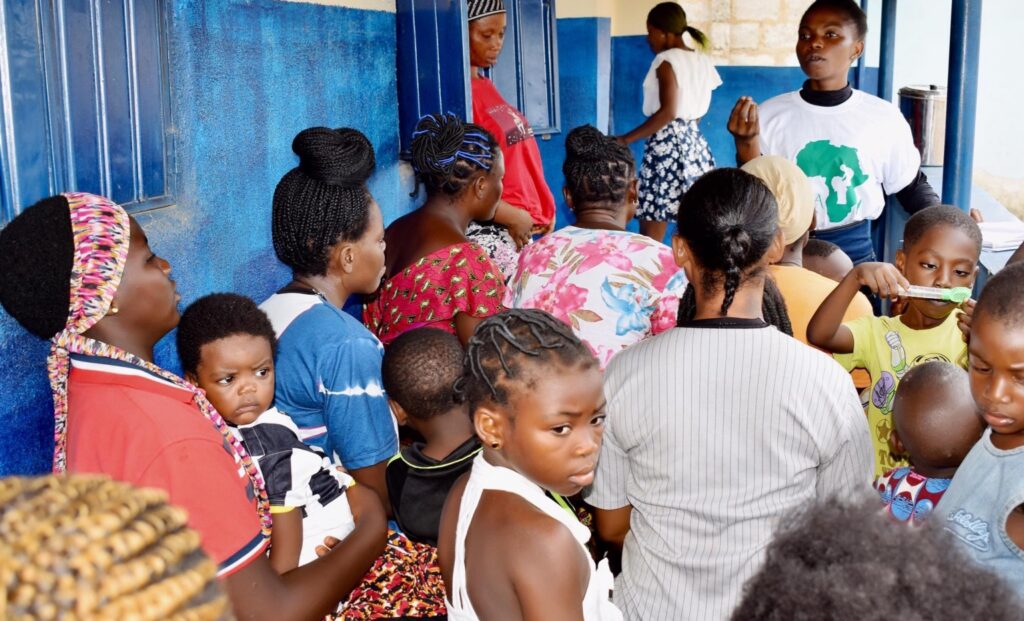
At KOFA Africa, we are actively deploying targeted intervention programs to combat malnutrition from the ground up. Our strategy focuses on three core pillars:
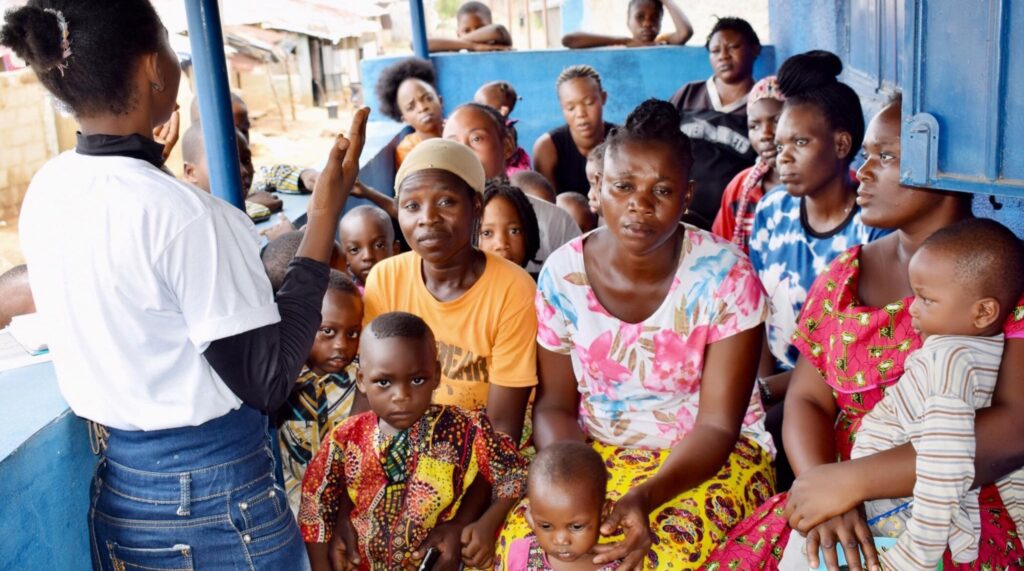
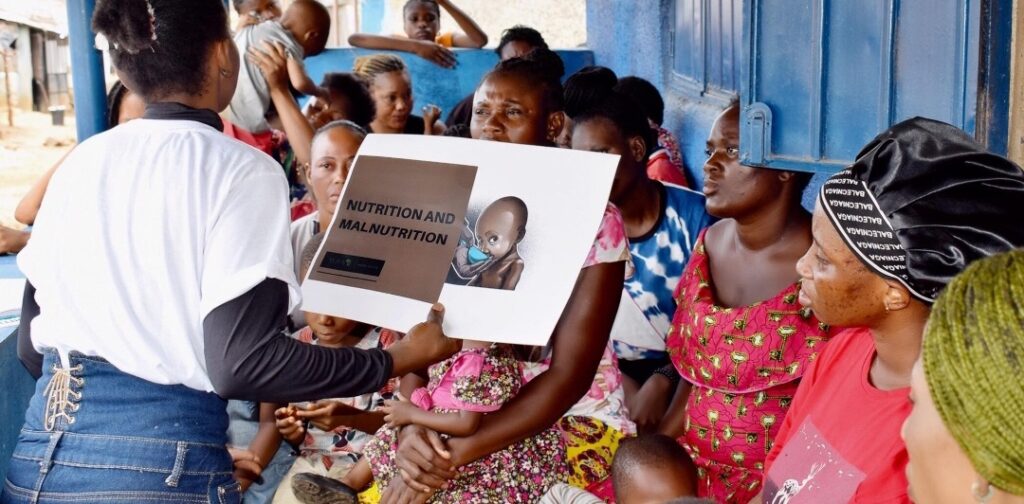
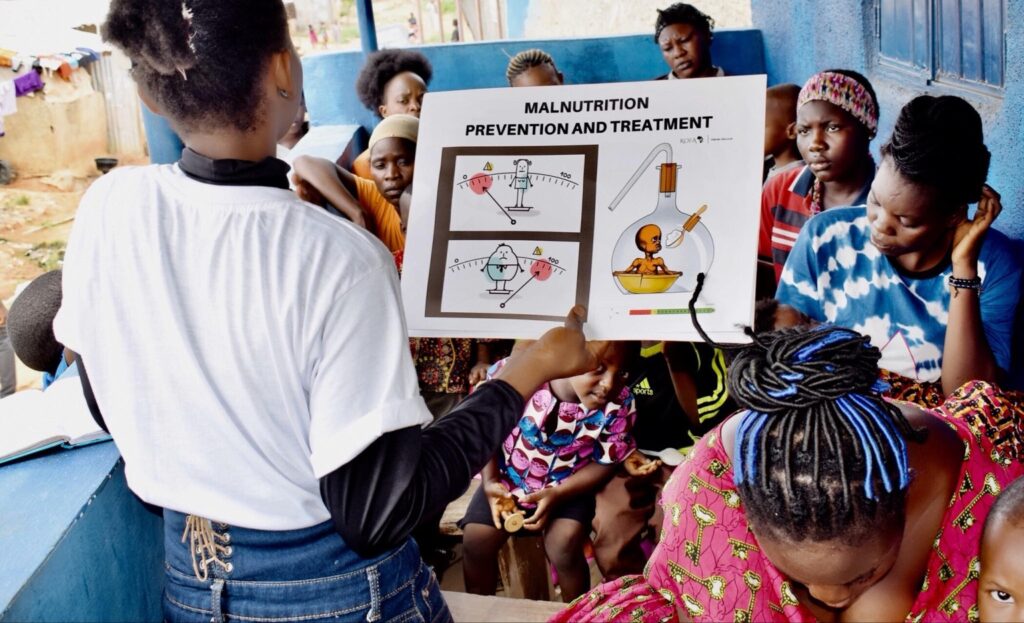
- Community Awareness & Education: Educating mothers and families on the critical importance of balanced nutrition using accessible, local foods.
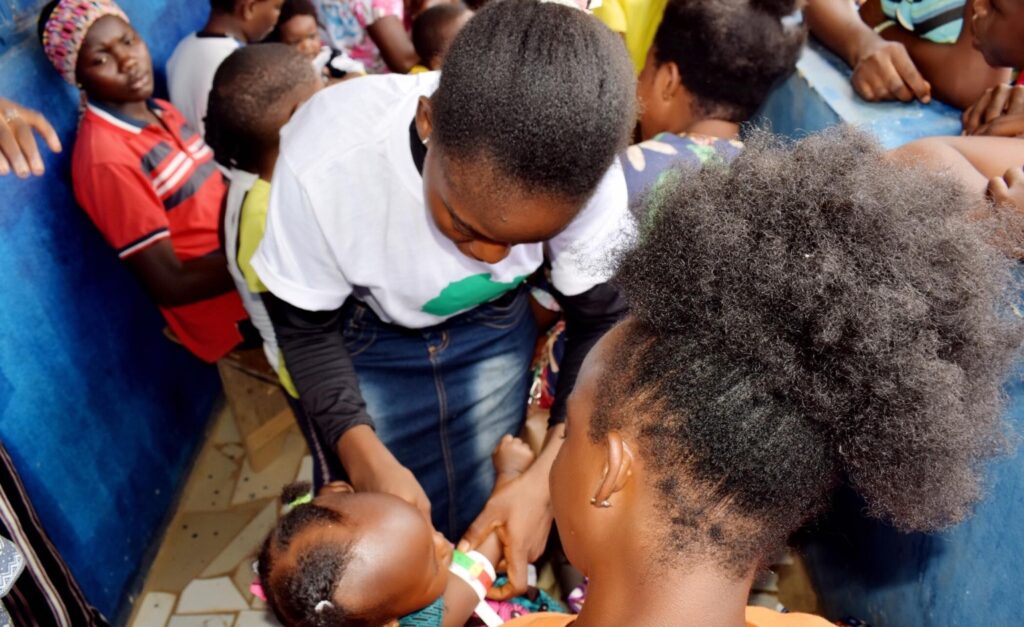
- Comprehensive Clinical Care: Ensuring children and women receive regular health check-ups, timely vaccinations, and dedicated medical treatment for malnutrition-related illnesses.
- Targeted Support for the Most Vulnerable: Providing direct, specialized nutritional support tailored to the unique needs of pregnant women, infants, and young children.
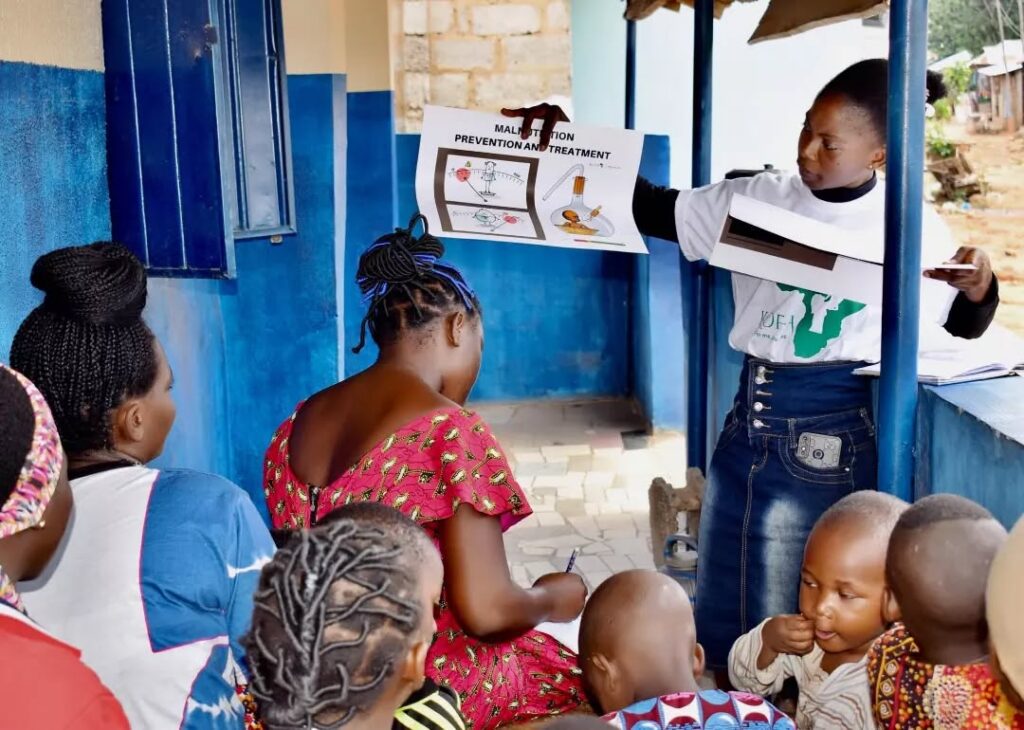
- Our Goal: By addressing the root causes of malnutrition, KOFA Africa is committed to significantly reducing childhood mortality and restoring long-term health and vitality to the women and children in the communities we serve.
Alignment with United Nations Sustainable Development Goals (SDGs)Our nutrition initiatives directly support the UN 2030 Agenda for Sustainable Development, specifically driving progress toward:- SDG 2: Zero Hunger (Target 2.2) — Ending all forms of malnutrition, reducing stunting and wasting in children under 5, and addressing the nutritional needs of pregnant and lactating mothers.
- SDG 3: Good Health & Well-Being (Target 3.2) — Ending preventable deaths of newborns and children under 5 by providing essential primary healthcare, vaccinations, and nutrition interventions.