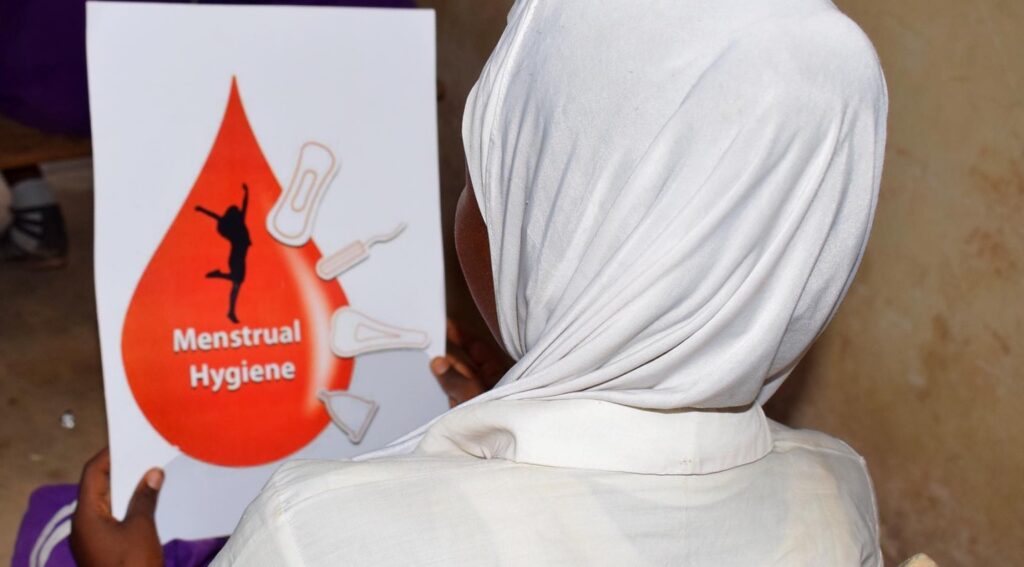
Menstrual Health & Hygiene: Restoring Dignity, Ending Period Poverty
The Challenge: Silence, Stigma & Health Risks
In many developing communities, menstruation remains shrouded in silence and taboo leaving adolescent girls without the vital guidance needed to care for their bodies.
Beyond the social stigma, a lack of access to sanitary products and hygienic facilities leads to severe physical health issues, including reproductive and urinary tract infections. The psychological burden is equally damaging, as fear and embarrassment frequently force young girls to miss school, harming their self-esteem and future opportunities.
Our Solution: A Multi-Front Approach
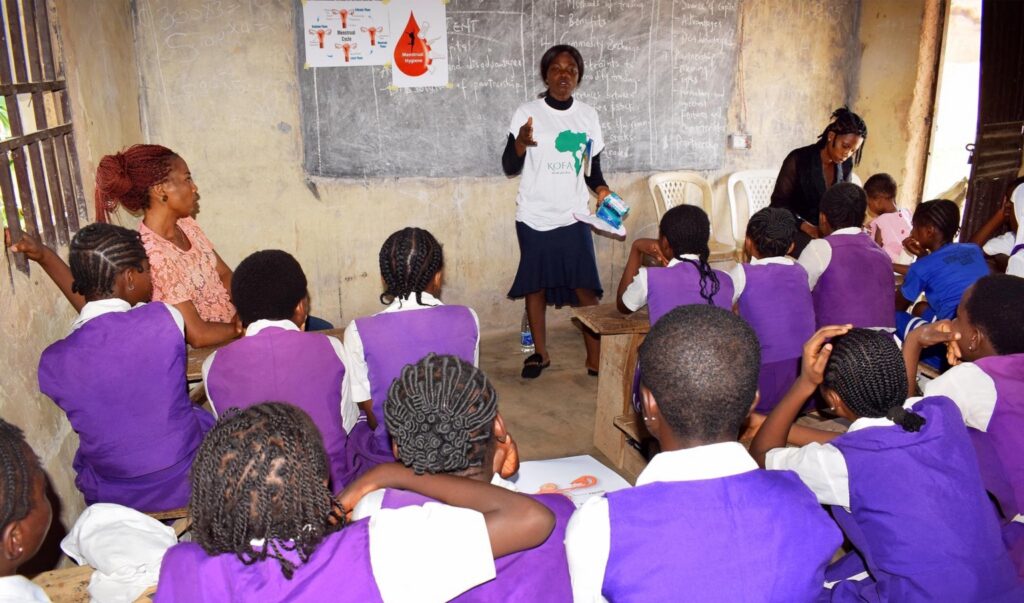
At KOFA Africa, we believe no girl should ever have to pause her life or education because of her period. We combat period poverty and promote menstrual health through five key pillars:
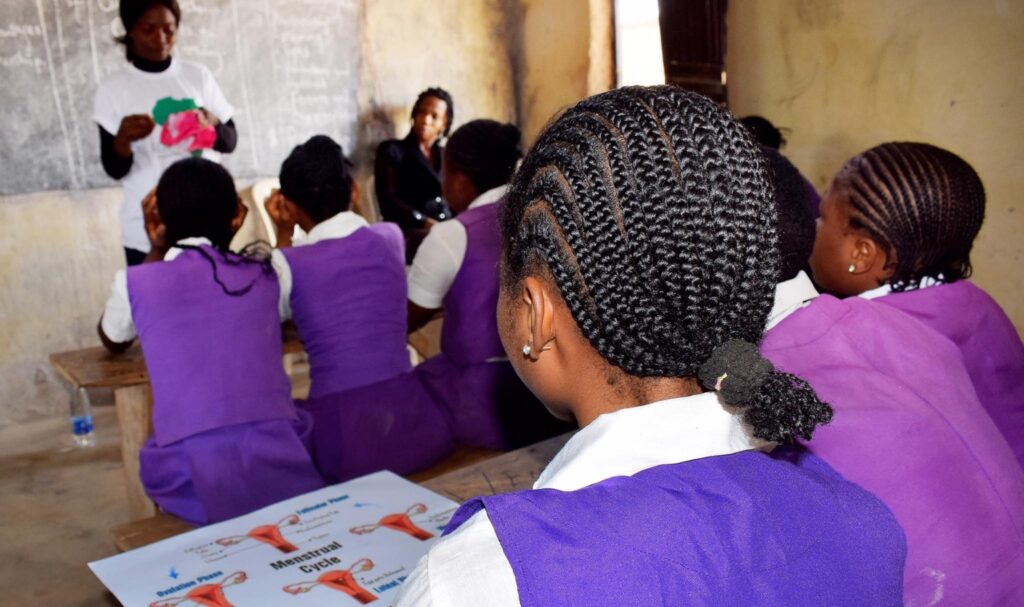
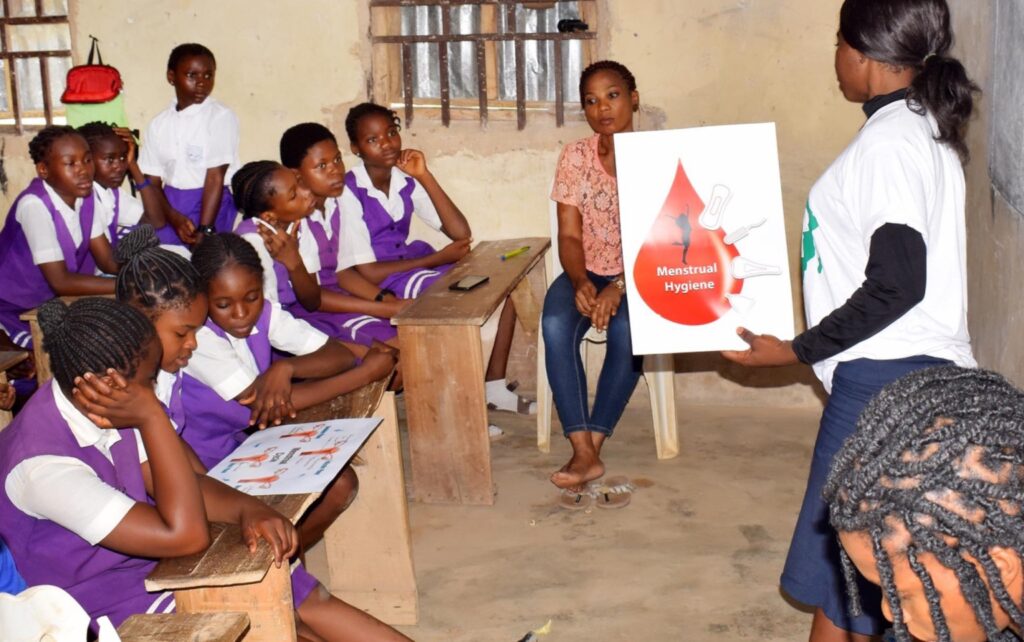
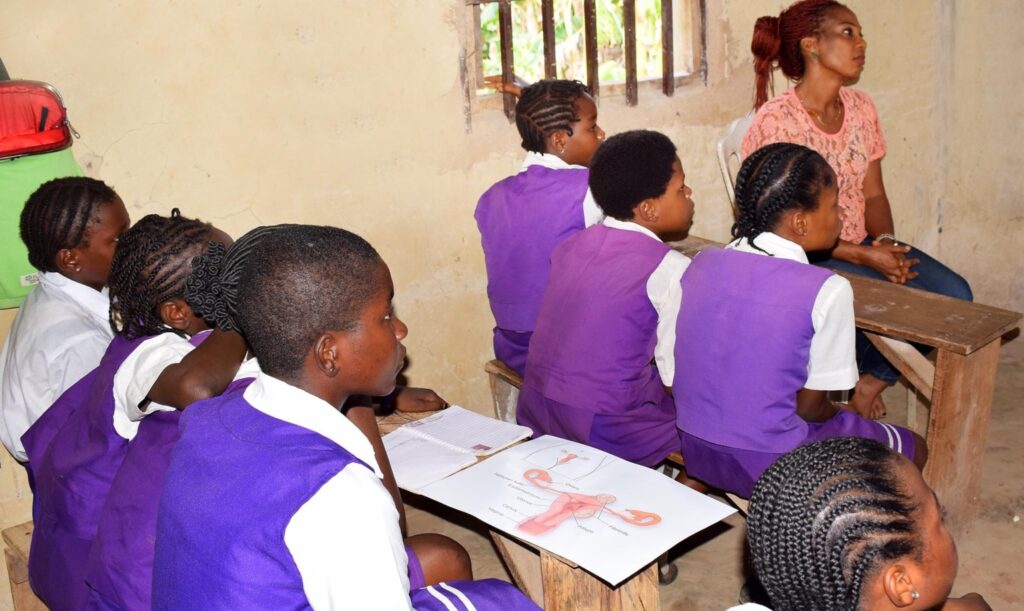
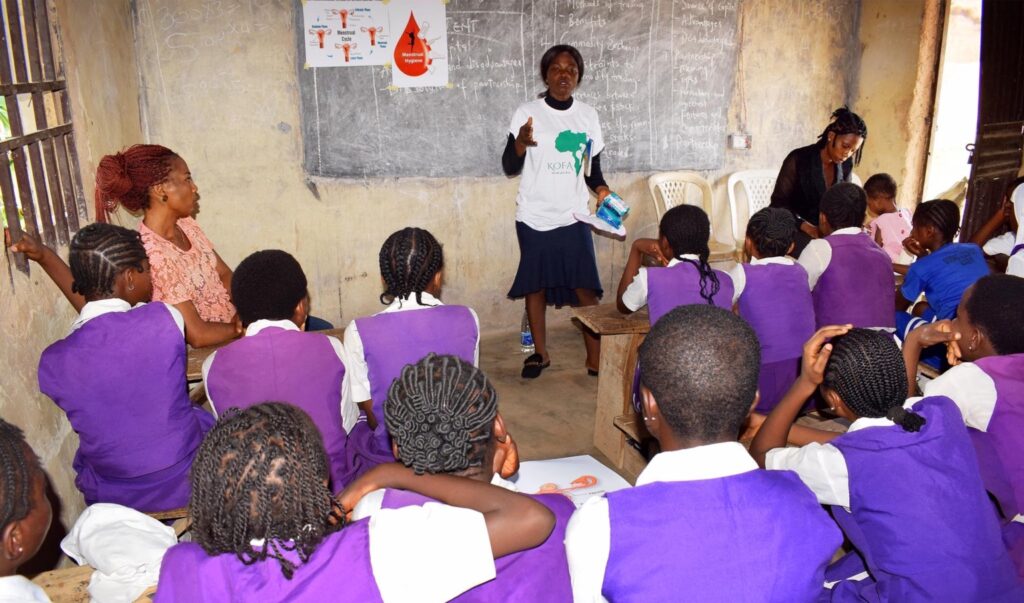
- Community-Led Education: Delivering clear, factual health education directly to teenagers to build body literacy and confidence.
- Destigmatizing Campaigns: Running public awareness initiatives to break the silence and encourage open, healthy dialogue within families and schools.
- Direct Hands-On Support: Distributing essential sanitary products and hygiene kits directly to girls in rural communities to eliminate financial barriers.
- Sustainable Developmental Programs: Partnering with local schools to install hygiene resources and create safe, supportive environments.
- Advocacy for Health Equity: Championing policies that prioritize menstrual equity, health rights, and adolescent well-being.
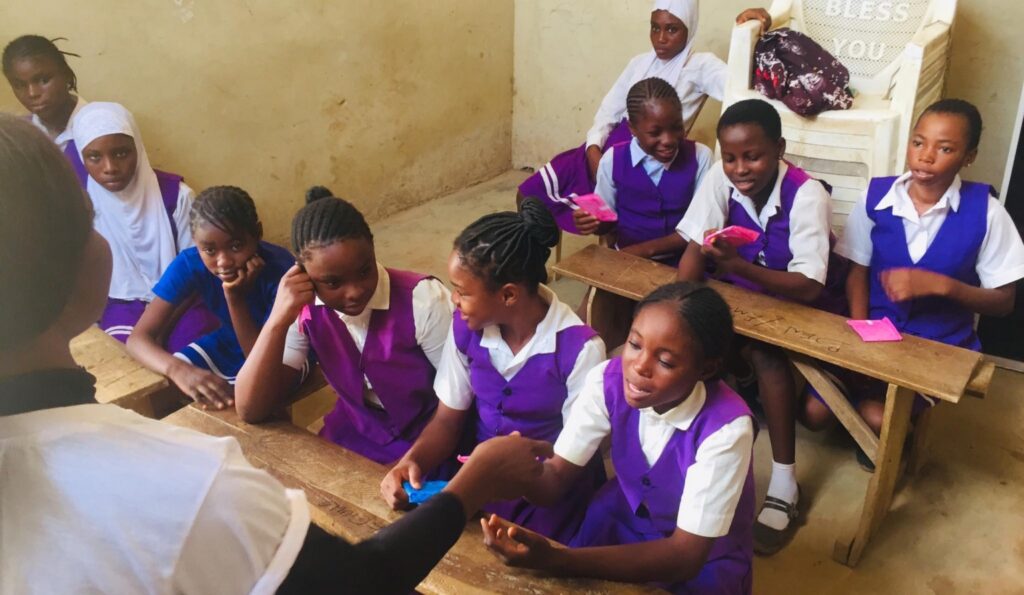
Our Commitment: Menstruation should never be a barrier to health, education, or personal potential. KOFA Africa is working to make period poverty a thing of the past across the rural communities we serve.
Sustainable Development Goals (SDGs) Alignment
- SDG 3: Good Health & Well-Being (Target 3.7) Ensuring universal access to adolescent health education and preventing reproductive health complications.
- SDG 4: Quality Education (Target 4.5) Removing period poverty as a barrier to school attendance so girls can stay in the classroom.
- SDG 5: Gender Equality (Target 5.6) Empowering young women through health literacy, bodily autonomy, and equal opportunity.